





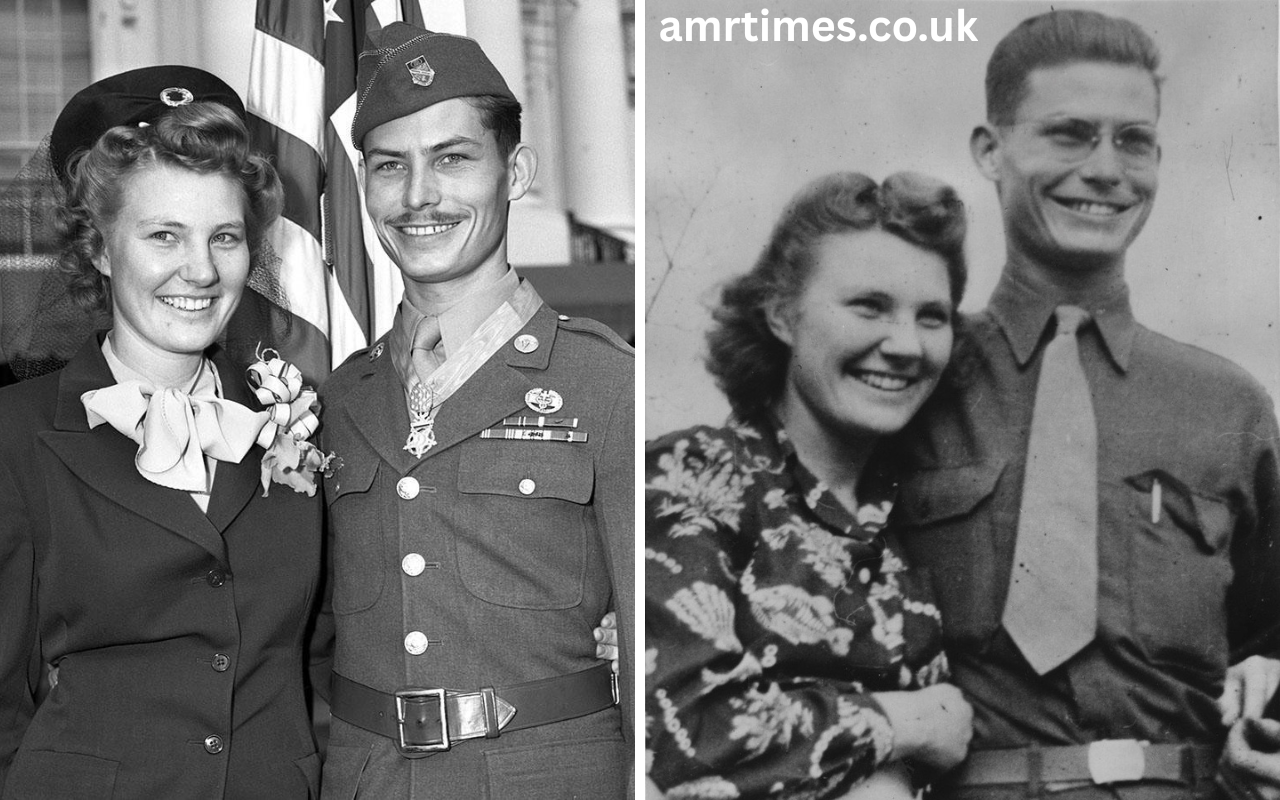
Dorothy Doss Biography: The Untold Story of Desmond Doss’s Wife and Her Quiet Legacy
Dorothy Doss is widely recognized as the wife of Desmond Doss, the famous World War II medic and conscientious objector whose heroic actions were later portrayed in the film Hacksaw Ridge. While Desmond’s battlefield bravery earned him the Medal of Honor, Dorothy’s life represents the quieter but deeply influential side of his story. She played an important emotional and spiritual role in his journey, even though she remained mostly outside the public spotlight.
Her story is often included in discussions about Desmond Doss biography because her presence helped shape the stability and strength he carried throughout his military service. Dorothy’s life reflects themes of faith, patience, and resilience, especially during one of the most challenging periods in modern history. Her identity is closely tied to her role as a supportive spouse who believed strongly in her husband’s convictions.
Although she is not as widely documented as Desmond, Dorothy Doss continues to appear in historical and religious discussions as an example of quiet strength. Her life demonstrates how personal relationships can influence extraordinary acts of courage, even when those relationships remain behind the scenes.
Early Life and Family Background
Dorothy Pauline Schutte, later known as Dorothy Doss, was born in the early 1920s in the United States. Her early life was shaped by a traditional upbringing centered on Christian values and community life. While detailed public records about her childhood are limited, available biographical sources suggest she grew up in a stable and faith-oriented environment.
Her family background is often described as modest, with strong emphasis on discipline, compassion, and religious devotion. These values became an important foundation for her later life choices, especially her marriage and her support for Desmond Doss during wartime. Her personality was shaped by empathy and emotional strength, qualities that would later become essential in her life journey.
Dorothy’s early experiences helped her develop a deep understanding of sacrifice and responsibility. These traits aligned closely with the beliefs of the Seventh-day Adventist community, which played a central role in her life and later marriage. Her upbringing prepared her for a life that would eventually be connected to one of the most remarkable war stories in American history.
Meeting Desmond Doss and Marriage
Dorothy Doss met Desmond Doss before the United States entered World War II, during a time when global tensions were rising. Their connection was built on shared religious beliefs, particularly their commitment to the Seventh-day Adventist faith. This spiritual bond formed the foundation of their relationship and later marriage.
The couple married in 1942, a period marked by uncertainty and global conflict. Their marriage was not only a personal commitment but also a spiritual partnership grounded in shared values of non-violence, faith, and moral conviction. Dorothy fully understood Desmond’s decision to serve as a medic without carrying weapons, and she supported him despite the challenges it would bring.
Their relationship is often highlighted in discussions about Hacksaw Ridge real story because it shows the personal sacrifices behind wartime service. Dorothy’s acceptance and emotional support gave Desmond the confidence to remain firm in his beliefs, even when facing criticism from others.
Life During World War II
During World War II, Desmond Doss served in the U.S. Army, while Dorothy remained at home. This period was emotionally difficult, as separation during wartime created uncertainty and stress for many military families. Dorothy’s role became one of emotional support, as she maintained communication through letters and encouragement.
Her letters and faith-based support helped Desmond stay grounded during intense combat situations in the Pacific theater. While he was saving lives on the battlefield, Dorothy was dealing with fear and emotional pressure on the home front. Their connection remained strong despite physical distance and wartime hardship.
This period highlights the often-overlooked role of military spouses in history. Dorothy Doss represents the emotional backbone of many wartime families, where strength was not displayed through physical action but through patience, faith, and endurance.
Emotional Strength and Role as a Military Spouse
Dorothy Doss’s emotional strength became one of the defining aspects of her life during Desmond’s military service. She faced the constant uncertainty of war while maintaining stability in her personal life. Her ability to remain calm and supportive contributed significantly to Desmond’s mental resilience.
Military spouse experiences are often marked by emotional challenges, and Dorothy’s story reflects this reality in a deeply personal way. She carried the responsibility of maintaining hope and faith while her husband served in dangerous conditions. Her support helped reinforce Desmond’s commitment to his principles of non-violence.
In many Desmond Doss biography discussions, Dorothy is acknowledged as an essential figure behind his success. Her emotional endurance and spiritual grounding played a silent but powerful role in helping him remain focused during some of the most difficult moments of his life.
Life After the War
After World War II ended, Dorothy and Desmond Doss reunited and began building a peaceful life together. They transitioned from wartime separation to family life, focusing on stability, healing, and spiritual growth. This period marked a new beginning for the couple after years of emotional strain.
They settled into civilian life, where Desmond faced ongoing health challenges related to his wartime experiences. Dorothy remained a constant source of care and support during his recovery. Their relationship continued to be built on shared faith and mutual understanding.
Life after the war allowed Dorothy to focus on family and personal life. Although public attention occasionally highlighted Desmond’s Medal of Honor recognition, she remained committed to a private and grounded lifestyle centered on family values.
Family Life and Personal Values
Dorothy and Desmond Doss had one son, Desmond “Tommy” Doss Jr., born in the mid-1940s. Dorothy played a central role in raising their child with strong moral and spiritual guidance. Their home environment reflected the same values of faith, discipline, and compassion that defined their marriage.
Her personal values remained consistent throughout her life. She believed deeply in faith, family unity, and emotional resilience. These principles shaped her approach to parenting and daily life, creating a stable foundation for her family.
Dorothy’s life demonstrates how personal values can influence generations. Her dedication to family and spiritual beliefs contributed to the continuation of Desmond Doss’s legacy beyond his military service.
Later Years and Passing
In her later years, Dorothy Doss continued to live a relatively private life alongside her husband. While Desmond gained recognition for his wartime heroism, she remained focused on family and health challenges that came with aging. Their bond remained strong throughout these years.
Reports indicate that Dorothy faced serious health issues later in life, including cancer treatment. Despite these challenges, she remained a figure of emotional strength within her family. Her later years were marked by quiet endurance and continued faith.
Dorothy Doss passed away in 1991 in a tragic car accident while undergoing medical treatment. Her death marked a profound loss for Desmond Doss and their family, ending nearly five decades of shared life and commitment.
Read More: Charles Shaffer Biography, Career Journey, Leadership Style, and Professional Impact
Legacy and Historical Importance
Dorothy Doss’s legacy is closely connected to the story of Desmond Doss and the broader narrative of World War II history. While she did not serve on the battlefield, her influence played an important role in shaping one of the most inspiring military figures in American history.
Her life is often remembered as an example of quiet strength and emotional resilience. In discussions about Hacksaw Ridge real story, she represents the unseen support system behind acts of extraordinary courage. Her faith and patience contributed to the foundation of Desmond’s moral convictions.
Today, Dorothy Doss is recognized as more than just a historical figure’s spouse. She symbolizes the strength of families during wartime and the importance of emotional support in shaping heroic lives. Her legacy continues to inspire reflections on love, faith, and sacrifice behind great historical achievements.