





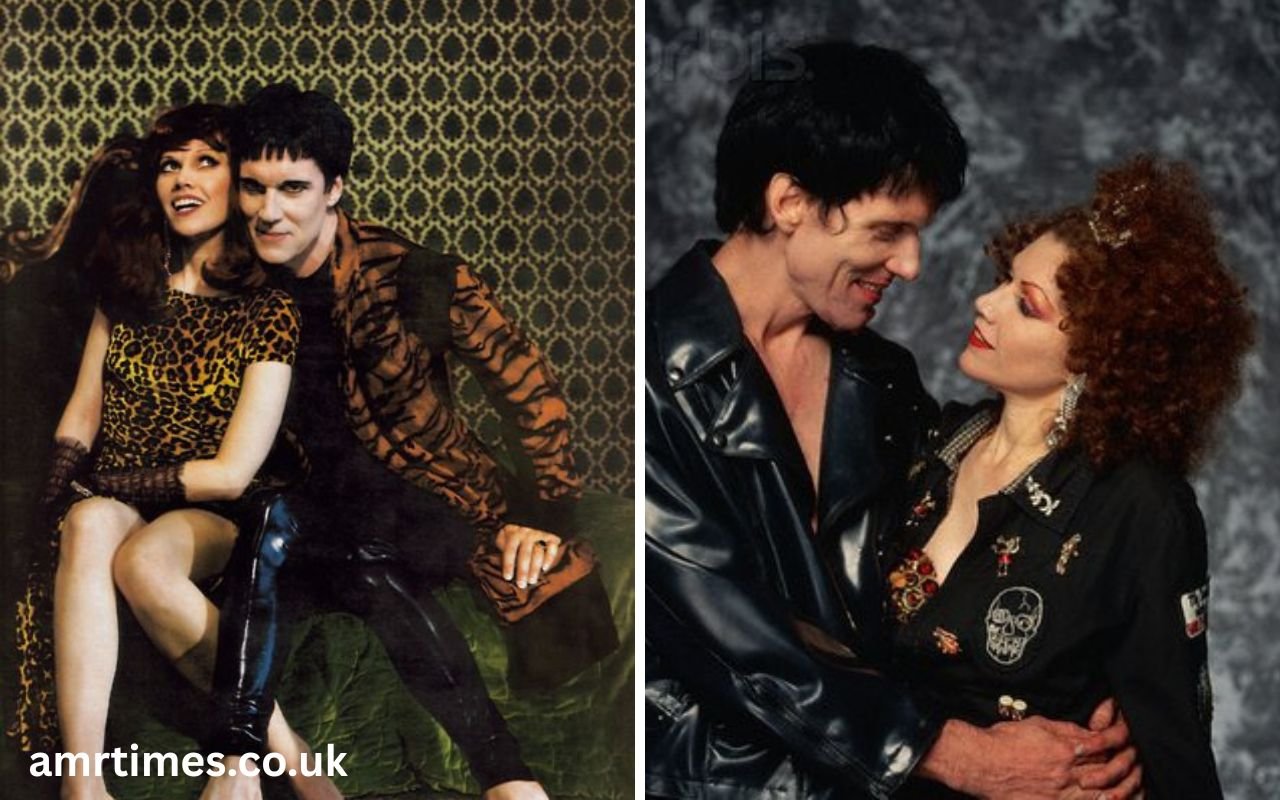
Lux Interior and Poison Ivy: The Legendary Duo Behind The Cramps and Psychobilly Culture
Lux Interior and Poison Ivy: The Legendary Duo Behind The Cramps and Psychobilly Culture
Lux Interior and Poison Ivy remain two of the most influential figures in alternative music history. As the founding members of The Cramps, they created a distinctive artistic identity that blended punk rock, rockabilly, garage music, horror imagery, and underground culture. Their partnership transformed a collection of niche influences into a movement that inspired musicians, artists, and fans across multiple generations.
Unlike many bands that achieved success by following trends, Lux Interior and Poison Ivy built their reputation by embracing unconventional ideas. Their music celebrated the strange, the forgotten, and the rebellious. Through originality and artistic commitment, they developed a loyal following that continues to grow even decades after the band’s formation.
Today, interest in psychobilly music, vintage horror aesthetics, and alternative fashion has introduced a new audience to their work. Understanding their legacy provides valuable insight into how two creative individuals reshaped underground culture and left a lasting impact on modern music.
The Early Lives of Lux Interior and Poison Ivy
Before becoming underground music icons, Lux Interior and Poison Ivy were simply two young people fascinated by art, music, and popular culture. Lux Interior, whose real name was Erick Lee Purkhiser, grew up with a deep appreciation for rock and roll, comic books, and unusual forms of entertainment. These interests would later become essential parts of his artistic personality.
Poison Ivy, born Kristy Marlana Wallace, developed a strong interest in music and visual creativity from an early age. She possessed a unique ability to analyze musical styles and understand how different influences could be combined to create something fresh. Her artistic instincts would eventually play a major role in shaping The Cramps’ identity.
When the pair met in California during the early 1970s, they quickly discovered their shared fascination with obscure records, horror films, and unconventional artistic expression. Their connection was immediate, laying the foundation for both a lifelong relationship and one of the most important creative partnerships in alternative music.
The Birth of The Cramps
After moving to New York City, Lux Interior and Poison Ivy immersed themselves in the emerging punk scene. While many bands focused on speed and aggression, they envisioned something different. They wanted to combine the rebellious spirit of punk with the raw energy of early rockabilly and garage rock.
The result was The Cramps, a band unlike anything audiences had experienced before. Their music drew inspiration from forgotten rock and roll records, B-movies, science fiction stories, and underground culture. Instead of copying existing styles, they created a sound that felt both nostalgic and completely original.
As word spread about their unusual performances and distinctive music, The Cramps gained attention throughout the underground music community. Fans were drawn to their authenticity and willingness to embrace influences that most artists ignored. This growing popularity helped establish them as pioneers within the alternative music movement.
How Lux Interior and Poison Ivy Shaped Psychobilly Music
The term psychobilly is often associated with The Cramps because they helped define many of the genre’s essential characteristics. Their music combined the rhythms of rockabilly with the energy of punk rock, while incorporating themes inspired by horror movies, monsters, and dark humor.
One reason their sound became so influential was its refusal to fit neatly into any single category. Their songs blended vintage and modern influences in ways that felt innovative rather than nostalgic. This creative freedom encouraged countless musicians to experiment with their own artistic boundaries.
Over time, psychobilly evolved into an internationally recognized genre with dedicated festivals, bands, and fan communities. Although many artists contributed to its growth, Lux Interior and Poison Ivy remain among the most important figures associated with its development and popularity.
The Unique Creative Partnership Behind Their Success
Many fans viewed Lux Interior as the public face of The Cramps because of his unforgettable stage presence. However, the band’s success depended equally on Poison Ivy’s vision, musical direction, and creative leadership. Together, they formed a partnership built on mutual trust and artistic understanding.
Poison Ivy was deeply involved in songwriting, arrangement decisions, production concepts, and overall artistic planning. Her contributions helped ensure that every aspect of The Cramps reflected a consistent and recognizable identity. She understood how to transform diverse influences into a cohesive creative statement.
Lux Interior brought extraordinary energy and personality to the band’s performances. His charisma captured attention instantly, while his fearless approach to performance helped create memorable experiences for audiences. The combination of Ivy’s precision and Lux’s spontaneity became one of the band’s greatest strengths.
Horror Culture and Its Influence on Their Art
Horror culture played a major role in shaping the artistic world of Lux Interior and Poison Ivy. They were fascinated by classic monster films, science fiction stories, exploitation cinema, and vintage horror magazines. These influences appeared throughout their music, visuals, and stage performances.
Rather than treating horror as something purely frightening, they approached it as a source of imagination and entertainment. Their songs often featured playful references to creatures, supernatural themes, and bizarre characters. This approach gave their music a distinctive personality that separated them from other punk bands.
Their celebration of horror culture helped introduce many fans to older films and underground artistic traditions. Even today, modern horror-inspired musicians, designers, and artists continue to draw inspiration from the creative universe they helped popularize.
Fashion and Visual Style That Defined an Era
The visual identity of Lux Interior and Poison Ivy became almost as influential as their music. Their appearance reflected a mixture of rockabilly fashion, punk rebellion, vintage glamour, and horror-inspired aesthetics. This combination created an instantly recognizable look that remains iconic within alternative culture.
Poison Ivy developed a powerful visual image characterized by confidence, individuality, and artistic sophistication. Her style influenced generations of musicians and demonstrated that creative expression extended beyond music alone. She became a fashion inspiration for countless artists within punk, psychobilly, and alternative communities.
Lux Interior complemented this aesthetic with dramatic stage clothing, expressive makeup, and theatrical body language. Together, they transformed every appearance into a visual statement. Their influence can still be seen in modern alternative fashion, gothic style, and retro-inspired subcultures.
The Unforgettable Live Performances of The Cramps
Live performances were central to the reputation of The Cramps. Audiences quickly learned that attending one of their concerts meant experiencing something unpredictable and exciting. Every performance reflected the band’s commitment to creativity and entertainment.
Lux Interior became famous for his energetic stage presence and ability to captivate crowds. His performances often blurred the line between concert and performance art. Fans never knew exactly what to expect, which added to the excitement surrounding the band’s live shows.
At the same time, Poison Ivy provided the musical foundation that kept performances focused and powerful. Her confident guitar work and calm stage presence balanced Lux’s intensity perfectly. This contrast created a dynamic that became one of the defining characteristics of The Cramps’ live experience.
Lasting Influence on Alternative and Underground Music
The influence of Lux Interior and Poison Ivy extends far beyond psychobilly music. Their work helped shape garage rock revival movements, horror punk scenes, alternative rock communities, and independent music culture around the world. Many artists cite them as major inspirations.
Their dedication to artistic authenticity showed musicians that success does not require conformity. By remaining true to their vision, they built a lasting legacy that continues to resonate with audiences seeking originality and creative freedom.
New generations of performers continue to study their music, style, and approach to creativity. Their willingness to embrace unusual influences demonstrated that artistic innovation often comes from exploring overlooked cultural spaces rather than following mainstream trends.
Why Their Legacy Continues to Grow
Read More: Desmond Doss Son: The Untold Story of Tommy Doss and His Father’s Lasting Legacy
Interest in Lux Interior and Poison Ivy has remained strong because their work feels timeless. Their music captures a sense of freedom and individuality that continues to appeal to listeners across different generations. Even decades after their most influential recordings, their artistic vision remains relevant.
The rise of digital streaming platforms and online music communities has introduced The Cramps to audiences who may never have encountered their work otherwise. This accessibility has helped expand their influence beyond traditional punk and psychobilly fan bases.
As alternative culture continues to evolve, many of the ideas championed by Lux Interior and Poison Ivy remain surprisingly modern. Their celebration of creativity, self-expression, and artistic independence continues to inspire people seeking something different from mainstream entertainment.
Conclusion
Lux Interior and Poison Ivy created far more than a successful band. Through their work with The Cramps, they built a cultural legacy that connected music, fashion, horror aesthetics, and underground creativity into a single artistic vision. Their influence transformed psychobilly from a niche concept into a globally recognized movement.
Their partnership demonstrated the power of shared creativity and unwavering artistic commitment. While many trends have come and gone, the originality of their work continues to attract new fans and inspire countless musicians, artists, and cultural innovators.
Today, Lux Interior and Poison Ivy are remembered not only as influential performers but also as pioneers who challenged expectations and expanded the possibilities of alternative music. Their legacy remains a powerful reminder that true creativity often emerges from embracing the unusual, the unconventional, and the authentic.