





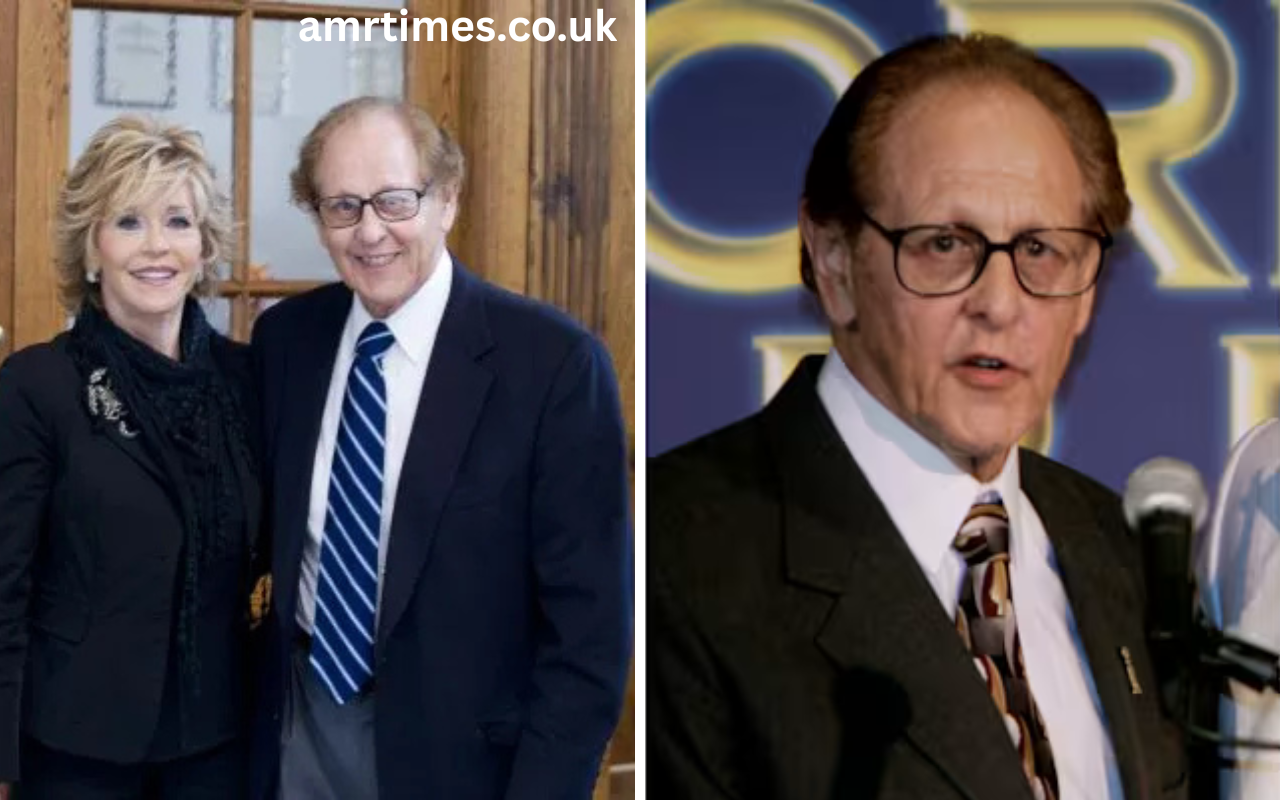
Philip Berk Biography, Career, Controversies, and Legacy in Hollywood Journalism
Philip Berk was born on February 13, 1933, in Cape Town, South Africa, into a Jewish family with a multicultural environment that shaped his early worldview. Growing up in a diverse society exposed him to different cultural narratives, which later influenced his interest in international journalism and film criticism. His early life experiences gave him a global outlook that would become a defining feature of his professional identity.
During his youth, Berk developed a strong interest in storytelling, media, and communication, although formal journalism was not immediately his career path. The post-war era and expanding global media landscape provided opportunities for ambitious individuals like him to explore international careers. This period also helped him understand the importance of cultural representation in media.
Eventually, Berk’s early ambitions and curiosity about global cinema led him to the United States, where he pursued higher education and began building a foundation for his future in entertainment journalism. His migration marked a turning point that connected him with Hollywood’s growing influence in global entertainment.
Education and Journalism Beginnings
Philip Berk studied at the University of California, Los Angeles, where he attended the School of Theater, Film and Television. This academic environment placed him directly in the heart of the American entertainment industry, giving him access to emerging film culture and industry professionals. His education helped him understand both the artistic and commercial sides of filmmaking.
After completing his studies in 1955, Berk began exploring journalism opportunities that allowed him to combine his academic background with his interest in film. He started contributing to international publications, gaining experience in reporting and cultural commentary. His early work demonstrated a growing ability to analyze films beyond surface-level criticism.
During this period, Berk worked across different countries, including South Africa and Malaysia, where he contributed to newspapers and media outlets. This international exposure helped him develop a broad understanding of global entertainment journalism and strengthened his reputation as a culturally aware film critic.
Rise in Film Criticism Career
Philip Berk’s career in film criticism expanded significantly when he began writing for established publications in Los Angeles. One of his notable early roles was as a critic for the B’nai B’rith Messenger, where he focused on entertainment reporting and film reviews. His writing style combined analytical depth with accessible commentary, making his work appealing to a wide readership.
As his reputation grew, Berk became more involved in Hollywood media circles, attending screenings, press events, and industry gatherings. This allowed him to build relationships with filmmakers, actors, and publicists, further strengthening his position as a respected voice in entertainment journalism. His work reflected both insider access and critical observation.
Over time, Berk became known not only as a critic but also as a media personality within Hollywood’s foreign press community. His career trajectory reflected the evolving nature of film journalism, where critics increasingly played a role in shaping public perception of films and industry awards.
Hollywood Foreign Press Association Role
Philip Berk’s most significant professional association was with the Hollywood Foreign Press Association, an organization composed of international journalists covering the American entertainment industry. He joined the HFPA in the 1960s and gradually became one of its most influential members. His involvement spanned several decades, marking a long and impactful tenure.
Berk eventually served multiple terms as president of the HFPA, where he played a central role in organizational leadership. His responsibilities included managing membership affairs, overseeing press activities, and contributing to the global promotion of the Golden Globe Awards. His leadership helped elevate the HFPA’s visibility within Hollywood.
Throughout his time in the organization, Berk was considered a key decision-maker, influencing how international media interacted with Hollywood studios and celebrities. However, his long-standing authority also became a subject of scrutiny, particularly regarding governance and transparency within the organization.
Influence on Golden Globes and Hollywood Media
Philip Berk’s influence on the Golden Globe Awards is one of the most defining aspects of his career. As a senior HFPA figure, he contributed to expanding the awards’ international reputation, transforming them into one of Hollywood’s most recognized award ceremonies. His efforts helped position the Golden Globes as a major event in the film awards season.
Berk also played a role in shaping media access to Hollywood events, ensuring that international journalists had opportunities to engage with major studios and celebrities. This helped bridge the gap between global media and the American entertainment industry, strengthening Hollywood’s worldwide reach. His work contributed to the globalization of entertainment journalism.
However, his influence was not without criticism. Over time, concerns were raised about the HFPA’s structure and decision-making processes, with Berk often at the center of discussions about accountability and reform. These debates highlighted the complexities of managing a powerful media organization within the entertainment industry.
Controversies and Allegations
Philip Berk’s career has been marked by several controversies that significantly impacted his public image. One of the most widely discussed incidents involved actor Brendan Fraser, who alleged that Berk inappropriately touched him during a 2003 HFPA event. Fraser later described the incident as emotionally damaging and linked it to challenges in his acting career.
Berk denied any wrongdoing, stating that the incident was misunderstood, although he acknowledged some form of physical contact in earlier accounts. The allegation gained renewed attention during the rise of the MeToo movement, which brought greater scrutiny to historical behavior within entertainment institutions and media organizations.
In addition to this incident, Berk faced further controversy in 2021 when he was expelled from the HFPA after sending an internal email that criticized the Black Lives Matter movement in offensive terms. This event led to widespread backlash and was seen as incompatible with evolving standards of diversity and inclusion in Hollywood media.
Memoir and Written Work
Philip Berk authored a memoir titled With Signs and Wonders: My Journey from Darkest Africa to the Bright Lights of Hollywood, which offers insight into his personal and professional journey. The book covers his early life, journalism career, and experiences within the Hollywood Foreign Press Association.
The memoir provides an insider perspective on Hollywood’s entertainment industry, including relationships with celebrities, studio executives, and fellow journalists. It also reflects Berk’s personal interpretation of events and his role in shaping international film journalism over several decades.
However, the publication of the memoir also generated controversy within the HFPA, as some members felt it exposed internal dynamics and personal details about the organization. Despite this, the book remains an important source for understanding Berk’s perspective on Hollywood media history.
Expulsion and Later Career Phase
In 2021, Philip Berk was officially expelled from the Hollywood Foreign Press Association following internal reviews and public criticism. His expulsion marked the end of a decades-long association with the organization he once led. This decision came during a broader period of reform within the HFPA.
The expulsion was part of wider efforts to address concerns about ethics, diversity, and transparency within the organization. Hollywood studios and industry partners had also begun reevaluating their relationships with the HFPA, leading to significant structural changes in the awards system.
Following his departure, Berk largely withdrew from public roles within the organization. However, his influence and legacy continued to be discussed in media circles, particularly in conversations about reform in entertainment journalism and award institutions.
Read More: Finnegan Biden Biography: Life, Education, Family Background, and Public Image
Legacy and Impact on Entertainment Journalism
Philip Berk’s legacy in entertainment journalism is complex and widely debated. On one hand, he played a significant role in expanding the global reach of the Golden Globe Awards and strengthening the presence of international journalists in Hollywood. His career reflects the growth of entertainment media in a globalized world.
On the other hand, his career is also associated with controversies that have shaped discussions about accountability and ethics in journalism organizations. His long tenure at the HFPA makes him a central figure in understanding the evolution of Hollywood’s award culture and media influence.
Ultimately, Philip Berk remains a significant yet controversial figure in entertainment history. His contributions to film criticism and international journalism are intertwined with debates about institutional responsibility, making his legacy both influential and complex in modern Hollywood discourse.