





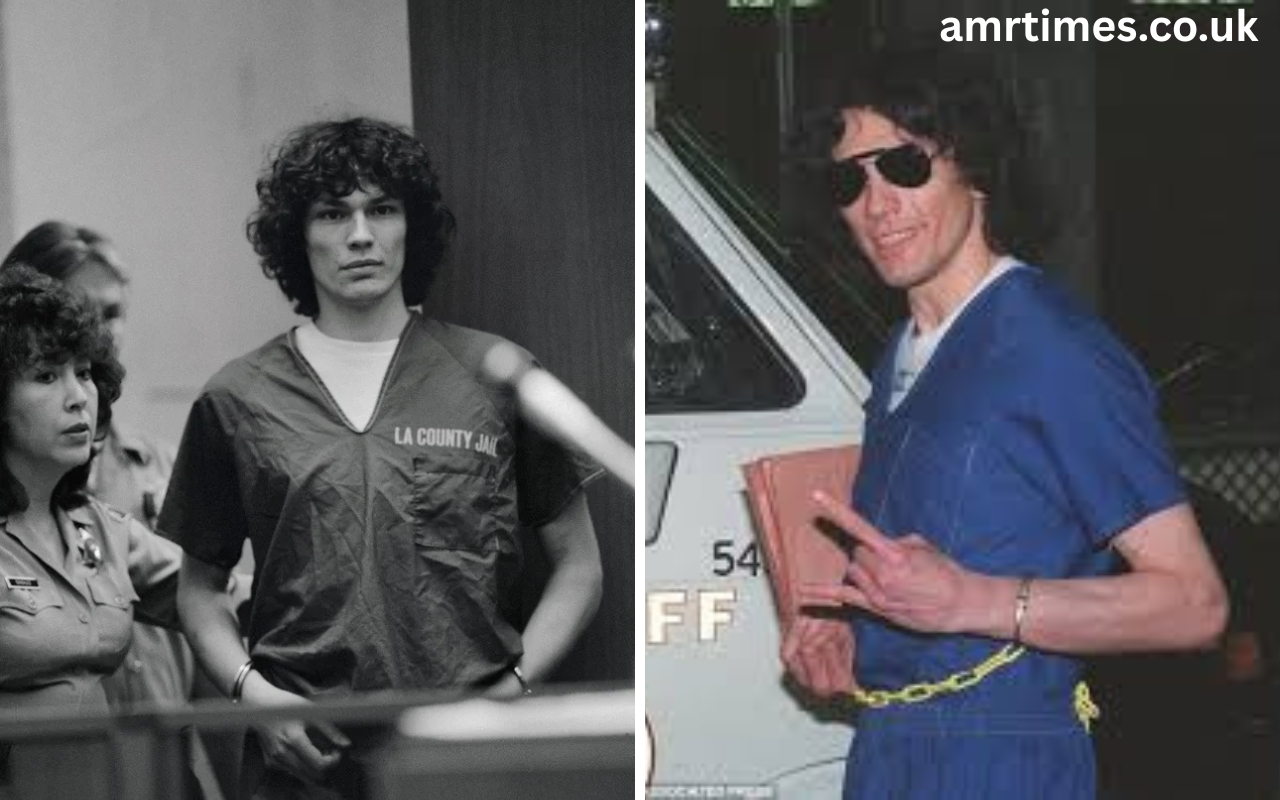
Richard Ramirez Teeth Explained – Detailed True Crime Analysis of the Night Stalker’s Dental
Richard Ramirez, widely known as the Night Stalker, was an American serial killer whose crimes shocked California during the mid-1980s. While his criminal actions defined his legacy, his physical appearance also became a major point of public attention. Among all his features, his teeth were repeatedly mentioned in witness descriptions and later media coverage, making them a memorable part of his identity.
His appearance played a significant role in how people remembered him because it created a strong psychological impression. In many criminal cases, facial features are easily forgotten, but Ramirez’s unsettling smile and dental condition stood out. This contributed to the lasting image that continues to appear in documentaries and crime discussions today.
Over time, the focus on Richard Ramirez teeth became part of the broader narrative about his persona. It added to the fear surrounding him, as survivors often recalled not just his actions but also his disturbing facial details. This combination of behavior and appearance made him one of the most recognizable figures in true crime history.
Early Life and Factors Affecting Dental Health
Richard Ramirez grew up in a challenging environment that likely influenced his overall health, including dental care. Reports suggest that he did not maintain consistent access to proper medical or dental hygiene during his early years. This lack of care often leads to long-term oral health problems, especially when combined with poor lifestyle habits.
As he transitioned into adulthood, his circumstances did not improve significantly. A lack of structure and personal stability contributed to neglect in basic self-care routines. Dental health is closely linked to daily habits, and without regular brushing, flossing, and professional care, teeth can deteriorate rapidly over time.
Although early life alone does not fully explain the condition of Richard Ramirez teeth, it provides context for how such neglect could develop. Combined with later lifestyle choices, these early factors likely set the stage for severe dental decay that became noticeable during his criminal period.
Description of Richard Ramirez Teeth from Witness Accounts
Many survivors and witnesses described Richard Ramirez’s teeth in disturbing detail. Accounts often mention decay, discoloration, and missing teeth, which created a striking and unsettling appearance. These descriptions were consistent across multiple testimonies, making them a key identifying feature during investigations.
His smile was often described as uneven and unhealthy, contributing to the fear he instilled during encounters. In high-stress situations, people tend to remember unusual physical traits more vividly, and his dental condition stood out strongly in eyewitness memory. This made his teeth one of the most repeated details in police reports.
Over time, these descriptions became part of the public record and were frequently referenced in true crime literature. The focus on Richard Ramirez teeth is not only about appearance but also about how such details can become deeply embedded in collective memory when tied to traumatic experiences.
Oral Hygiene Neglect and Lifestyle Impact on Teeth
One of the major reasons behind the deterioration of Richard Ramirez teeth is believed to be long-term neglect of oral hygiene. Consistent dental care is essential to prevent cavities, gum disease, and tooth loss. Without it, even healthy teeth can quickly decline over time.
Lifestyle choices also play a significant role in oral health. Irregular routines, poor diet, and lack of medical attention can accelerate dental decay. In Ramirez’s case, reports suggest that his daily habits did not support proper hygiene maintenance, which contributed to visible dental issues.
As these problems progressed, they became more severe and noticeable. The combination of neglect and lifestyle instability created a condition that was difficult to reverse, resulting in the widely described appearance that witnesses later recalled in detail.
Drug Use and Its Effect on Dental Deterioration
Drug use is often associated with severe dental health problems, and this factor is frequently discussed in relation to Richard Ramirez teeth. Substances that reduce saliva production or increase sugar cravings can significantly damage enamel and promote tooth decay over time.
In addition, drug use often leads to reduced focus on personal hygiene. When individuals prioritize substance use over health, daily care routines like brushing and dental visits are often neglected. This creates a cycle where dental problems worsen without intervention.
Although exact medical records vary in detail, experts generally agree that substance-related lifestyle factors likely contributed to Ramirez’s dental condition. The visible deterioration became part of his overall image, reinforcing the descriptions provided by witnesses and investigators.
How Teeth Influenced Identification and Fear Perception
Richard Ramirez teeth played an unexpected role in how he was identified by witnesses. Survivors often remembered his face in detail, and his dental condition stood out as a unique and memorable feature. This helped reinforce consistency in suspect descriptions during investigations.
Beyond identification, his teeth also contributed to the psychological fear associated with his presence. Human perception is strongly influenced by facial expressions, and an unsettling smile can heighten feelings of danger and discomfort during traumatic events.
As a result, his dental appearance became more than a physical trait. It became part of the emotional memory experienced by victims, shaping how they later described him and contributing to the overall fear surrounding his identity.
Media Portrayal of Richard Ramirez Teeth in Documentaries
In modern true crime media, Richard Ramirez teeth are often highlighted as part of his visual identity. Documentaries and series frequently emphasize his appearance to create a more vivid understanding of his persona. This focus helps audiences grasp how witnesses experienced encounters with him.
Television adaptations and streaming content have also contributed to the lasting image of Ramirez. By repeatedly showing his facial features, including his teeth, media reinforces the public’s association between his crimes and his physical appearance.
While this portrayal is based on historical descriptions, it also shapes modern perception. Many viewers now associate his name with his unsettling smile, showing how media representation can influence the legacy of criminal figures.
Psychological Impact of His Appearance on Victims and Public
The psychological impact of Richard Ramirez teeth on victims cannot be overlooked. In traumatic situations, unusual physical traits often become deeply embedded in memory. His dental appearance added to the fear and shock experienced during encounters.
For the public, repeated exposure to descriptions and images of his appearance created a lasting impression. Even those who were not directly involved in the case often associate his face with discomfort due to the way it has been portrayed in media and reports.
This psychological effect demonstrates how physical characteristics can influence memory and perception. In Ramirez’s case, his teeth became part of a broader emotional response that continues to shape public understanding of his crimes.
Read More: Famous Women in History Who Changed the World and Shaped Civilization
Legacy of Richard Ramirez Dental Image in True Crime Culture
Today, Richard Ramirez teeth remain a notable part of his legacy in true crime culture. While his crimes define his historical significance, his appearance continues to be discussed as part of his overall identity. This shows how physical traits can become symbolic over time.
True crime communities often analyze such details to understand how criminals are remembered. Ramirez’s dental condition is frequently referenced as an example of how appearance and behavior combine to form a lasting public image.
Ultimately, the legacy of his teeth is tied to memory, fear, and storytelling. It reflects how certain details become amplified in cultural narratives, ensuring that even physical features remain part of historical discussion long after events have passed.